
2026 Member Awards
We recognize the traiblazers, innovators, and leaders in patient access. Let's celebrate the winners of the 2026 Patient Access Collaborative Awards, acknowledging excellence and innovation in patient access. These awards recognize outstanding contributors who are driving meaningful change in academic health systems, children's hospitals, and cancer centers.
2026 Access Champions
The Patient Access Collaborative recognizes members who have demonstrated excellence in patient access. These individuals have positively impacted patient access at their health system by improving access workflows, breaking down access barriers, or going above and beyond their call of duty to ensure patients get access to the ambulatory enterprise.
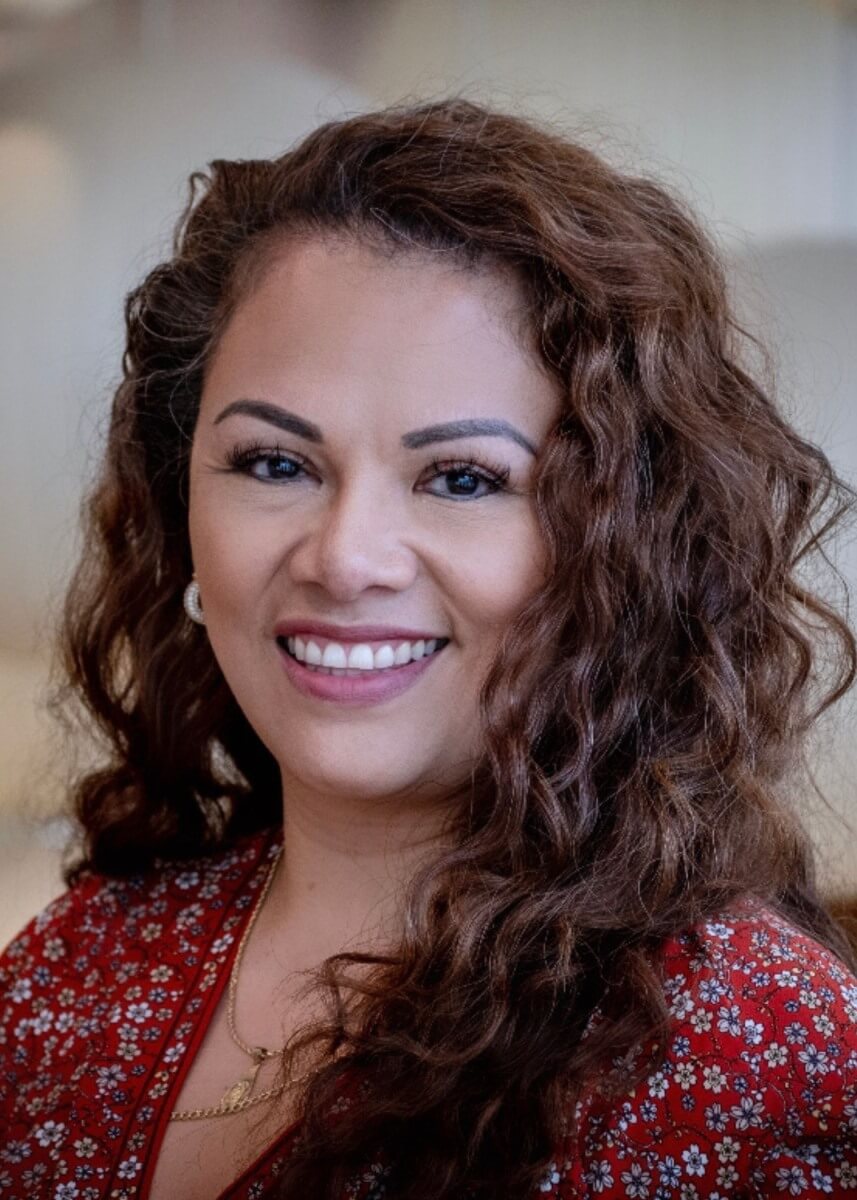
Ana Lecksiwilai-Smalls
Program Manager III, Access Optimization , Seattle Children's Hospital
Nominated by Jasmine Rush, Manager, Capacity Management
"I am honored to nominate Ana Lecksiwilai-Smalls, Program Manager, Epic Referral “Access” Optimization Program, for the Access Champion Award. In a highly complex referral environment, Ana was the access champion behind building a multiyear program to fundamentally improve how patients access specialty care across our ambulatory system.
Referral delays and inconsistent referral practices were creating barriers for patients to access timely care and often led to frustration for care teams. Ana led the efforts to develop a comprehensive end-to-end referral optimization strategy by aligning clinical intake, operational leaders, providers, and IT stakeholders with a commitment:
The Access Optimization Program strengthens how we manage referrals, intake criteria, template management, and scheduling workflows. By leveraging Epic automation, the program aims to reduce hand-offs and ensure patients are matched with the right care at the right time. These improvements enhance the experience for both patients and clinic teams, while ultimately reducing the time required to triage and schedule patients.
The Access Optimization was developed to build upon the Epic foundations of Scheduling Optimization to accomplish the following:
• Publish Referral Management Policy
• Establish service line referral guidelines
• Develop a “reason for visit” list that is required when ordering a Referral or RTC to drive automation in Epic decision trees
• Implement Epic decision trees for clinical triage
• Automate sending of MyChart tickets for orders
• Clinical Intake right sizing of triage for algorithms, fax backs, and documentation collection
As a result, we anticipate improvement for the following metrics:
• Referral Conversion Rate (The % of referrals that result in at least one schedule appointment)
• Referral Completion Rate (The % referrals that resulted in at least one completed appointment)
• Referral Triage (Median # of days to complete triage)
• % of Appointment Requests with Tickets (The % of appointment requests that are available for online scheduling)
• % of New Patients seen within 14 days
A defining strength of Ana’s leadership was her ability to successfully lead change management throughout design, build, testing, and go live. Ana built strong, trusted relationships across ambulatory operations, service lines, providers, and Epic partners, translating complex technical changes into operationally solutions. This collaborative approach created alignment and accountability across teams that do not typically work together, creating sustainable access improvements.
Summary
Ana demonstrates the spirit of an Access Champion. Through strategic program leadership, strong collaboration, and a commitment to patient centered access, Ana has transformed a complex manual referral process into an automated referral workflow to better serves patients and our care teams."
Andy Johnson
Principal Access Advisor, Mayo Clinic - Rochester
Nominated by Emily Hamilton, Senior Director
"Andy consistently demonstrates exceptional leadership and delivers meaningful impact in advancing patient access. In his role as a Principal, he leverages data to drive informed recommendations and guide complex patient access decisions, translating analytics into actionable strategies for practice leaders.
He has played a lead role in helping practices deeply understand patient demand characteristics and effectively align capacity to capture that demand, strengthening both access and operational performance. Beyond his individual contributions, he is a trusted mentor who actively develops less‑senior colleagues, fostering capability and confidence across the team.
In the past year, Andy has not only driven key initiatives forward but has also demonstrated notable innovation through the creation of an access agent that enables access leaders to pose common questions and receive real‑time, reliable knowledge. This work reflects Andy’s consistent ability to combine data, leadership, and innovation to deliver sustainable improvements in patient access."

Annette Reimers
Supervisor - Access Operations, Mayo Clinic
Nominated by Cassie Craryn, Manager
"Annette Reimers is an outstanding example of an Access Champion, consistently improving patient access through her innovation, strategic thinking, and dedication to excellence. She has transformed workflows within the Medical Oncology access space by streamlining processes, modernizing communication tools, and implementing proactive strategies. Her commitment to cross‑training elevated staff knowledge, flexibility, and confidence, resulting in significant improvements in service levels, ASA, and abandon rates. Annette regularly analyzes data—heat maps, talk times, volume patterns, and staffing—to optimize schedules, improve operational flow, and ensure patients experience timely, efficient access to care.
Annette’s dedication to reducing barriers and improving the patient journey is matched by her relentless drive to innovate. She constantly seeks opportunities for automation, volunteers to pilot new tools and functionality, and brings forward solutions that enhance both staff efficiency and patient experience. Her collaborative mindset has strengthened partnerships across departments, and her improvements have been impactful.
Beyond process enhancements, Annette embodies exceptional leadership and commitment. She fosters a positive, connected team culture through recognition, engagement activities, team huddles, and personalized 1:1s—all in a virtual environment. Her influence inspires colleagues, supports her assistant supervisor, and elevates the overall access experience. Annette consistently goes above and beyond her role, driving measurable improvements and removing obstacles that hinder patient access. Her achievements, leadership presence, and unwavering commitment to patients and staff make her a truly deserving Access Champion."

Ashley Streiff
MSAS Supervisor, Mayo Clinic - Rochester
Nominated by Kandace Rathbun, Operations Coordinator - Supervisor
"Ashley is an outgoing and highly engaged supervisor who consistently leads by example. She takes a hands-on approach to understanding and resolving template issues, proactively digging into root causes and partnering with teams to problem-solve effectively. Her ability to collaborate across departments and build strong working relationships has been instrumental in driving alignment and progress. Ashley communicates clearly, consistently, and with purpose, ensuring expectations are well understood at all levels. Ashley played a key role in the flawless rollout of the QGenda templating program, demonstrating strong planning, follow-through, and attention to detail. Above all, she put in the time and effort required to ensure success, earning trust and respect through their work ethic, accountability, and commitment to operational excellence."

Brandy Rojas
Program Manager Ambulatory Strategic Intiatives, VCU Health System
Nominated by Brittany Poore, Associate Vice President Ambulatory Access and Innovation
"Brandy Rojas has been a true game changer in advancing patient access and improving operational workflows across our organization. Her leadership and expertise have transformed how we approach data integrity, provider scheduling, and predictive analytics.
Brandy has been instrumental in validating access-related data to ensure it is a trusted source of truth for decision-making. This foundational work has strengthened confidence in our reporting and enabled more accurate and strategic planning. Additionally, Brandy redefined our processes related to provider bumps by creating appropriate cancellation reasons that align with EMR reporting and accurately reflect why visits are canceled. As a result of these efforts, provider bumps within 30 days now reflect less than 5%, a significant improvement that enhances patient experience and provider efficiency.
Brandy’s impact extends beyond operational improvements. She is leading the implementation of no-show predictive analytics within the organization, a groundbreaking initiative aimed at addressing barriers that prevent patients from attending their appointments. By spearheading this work with other key leaders, Brandy is partnering with specialties to pilot evidence-based practices that reduce barriers for patients and ultimately decrease no-show rates. This proactive approach demonstrates her commitment to innovation and patient-centered care.
Brandy’s ability to combine data-driven strategies with collaborative leadership makes her an exceptional candidate for the Game Changer Award. Her contributions have not only improved workflows but also laid the foundation for sustainable, patient-focused solutions that will benefit our organization for years to come."

Bryce Odegarden
Assistant Supervisor, Mayo Clinic - Rochester
Nominated by Kali Eastway, Manager
"I am pleased to nominate Bryce Odegarden for recognition as an Access Champion. Bryce has consistently demonstrated exceptional professionalism, dedication, and leadership in advancing patient access within our organization. His work has had a meaningful and measurable impact on both our teams and the patients we serve.
Bryce’s contributions to automation, particularly with the outbound dialer, have significantly improved our outreach capabilities. By transitioning us away from manual calling and implementing an automated system, he assisted with enabling more timely, consistent, and effective patient contact. This enhancement has not only improved workflow efficiency but has also strengthened our ability to support patients proactively.
In addition, Bryce has played a critical role in aligning staffing to workload, especially for self-referring patients requesting scheduled call backs. His thoughtful analysis of demand trends and operational needs has allowed us to staff appropriately, maintain service levels, and create a smoother, more predictable experience for both staff and patients.
Throughout all of his work, Bryce demonstrates a collaborative approach, a strong commitment to service, and a clear focus on removing barriers. His leadership and dedication have directly contributed to improved access, improved patient experience, and stronger operational performance. For these reasons, Bryce is highly deserving of this recognition."

Carrie Gosky
Patient Access Coordinator, The James/OSU Wexner Medical Center
Nominated by Melissa Switzer, Manager
"Carrie had only been with our team months when she made an enormous and lasting impact on patients enterprise wide here at The James. When reviewing our After Visit Summary that we provide our oncology patients with, she noticed there were lots of resources listed for physical crisis.... but nothing for mental health crisis. Carrie reached out to me and asked what she needed to do to get mental health resources added to our resources we provide our patients. After several months, Carrie's change happened.
Every single After Visit Summary ENTERPRISE WIDE has the attached message included. Carrie is in an access role - she is amazing with patients, such a team player and a huge advocate for mental health awareness. The fact that she made such an impact on so many patients so quickly is incredible. Because of Carrie, our patients now have resources available and know what to do if they have a mental health crisis!"

Darin Rogers
VP Provider and Network Services, WVU Medicine
Nominated by Taylor Troischt, Ambulatory Chief Medical Officer
"Darin Rogers is the heartbeat of patient access here at WVU Medicine. He has been with us for over 10 years. It is easy to write that he has worked for WVU Medicine for that duration, but it’s more accurate to say he has served the institution. He is a true servant leader. Darin has the unique blend of accountability and approachability that is essential for success in higher level administrative roles. He has earned the respect of his peers despite having difficult conversations with them as he tirelessly removes barriers to access and improve workflows.
Workflow improvements and Barrier Reduction: I lumped these together as they are intertwined. Better workflows remove barriers. Darin is very committed to giving our patients every opportunity to be seen by the right provider in the right time frame. A major focus in this area is template management. His team and I have spent an enormous amount of time making sure templates reflect the clinical effort outlined in provider contracts. He also has been a key contributor to managing visit types, duration and distribution across all service lines. These are very delicate areas, as providers often want to feel they have control over their schedules. This has proven to be quite a difficult task, and Darin has the ability to manage this area incredibly well. He holds the Chairpersons and Medical Directors accountable to best practice standards. He oversees the contact center operations as well. He put together a contact center enhancement task force to look for ways to improve many areas of service and performance. The team he led helped integrate artificial intelligence into our contact center, add medical expertise to the triage experience within the call center, helped develop decision trees for timely and accurate scheduling, and improved employee job satisfaction and retention. He also brings his patient-first approach to scheduling through his work with the Epic team and MyChart application.
Exceptional Commitment: Darin is the most committed administrator I have worked with. He is available to problem solve all day, every day, including evenings and weekends. He will always respond promptly to any email, call or text. He comes to work despite difficult weather days here in West Virginia. Virtual doesn’t apply to Darin. While other administrators would work remotely during the Covid pandemic, Darin showed up every day, in person, ready to serve. Darin is not only committed to his role but builds up the people around him. He has been very influential with my own career development as an administrator. He challenges you to be a better version of yourself. He was also willing to advocate for me and helped organize an interview for me when my family contemplated making a change to another part of the state. He will support you through whatever struggles you may have and mentor your development.
Collaboration and Teamwork: Despite having those difficult conversations and holding people accountable to the standard, everyone will work with Darin. He understands the importance of having a high functioning team and empowers people to do their job. He has a collegial relationship with everyone in the institution, and he knows productivity thrives when there is trust and respect. He leads or is part of dozens of committees and is the hub for communication between departments and administrators. He seeks the expertise of others in areas he needs more knowledge. He has the busiest phone of anyone I know. I think a lot of it stems from people knowing he will help anyone with anything as long as it aligns with his high standards and institutional goals. If you need help, Darin is the guy to call.
Positive Impact on Patients: Statistics tell the story. Our institution performs well relative to our peers in the PAC. We are above the mean in most categories and in the upper quartile in many of them. I will attach the slide show he presented to the system administrators highlighting our collective achievements in the area of ambulatory operations. I will also add that he has helped grow the ambulatory operations to a volume of 1.9 million visits in 2025. That doesn’t happen without an access champion, and that person is Darin."

Dick Argys
Chief Operating Officer, Boston Children's Hosptial
Nominated by Kevin Pawl, Executive Director of Patient Access
"I am honored to nominate Dick Argys, Chief Operating Officer at Boston Children’s Hospital, for the Access Champion Award. Dick’s leadership, advocacy, and unwavering commitment to patient-access has transformed how children and families access care at our institution. His impact reaches across workflows, technology, culture, and daily practice—fundamentally improving access for every patient we serve.
Dick has consistently driven initiatives and strategies that streamline and modernize patient access operations. Under his leadership:
- Enterprise Access Governance was strengthened, ensuring decision-making frameworks that prioritize timely access for patients across departments.
- He championed major workflow redesigns in scheduling, referral management, and ambulatory capacity planning, allowing teams to operate with greater efficiency and consistency.
- Dick guided the rollout of standardized access metrics and reporting, empowering operational teams with clear visibility into capacity and performance.
- He spearheaded interdepartmental collaboration between ambulatory operations, physician leadership, and patient access teams—reducing variation and improving the patient experience from first contact through appointment completion.
These improvements have directly led to measurable reductions in wait times and improved provider utilization and tremendous volume growth.
One of Dick’s most defining strengths is his ability to identify and eliminate obstacles—whether operational, technological, or cultural—that stand in the way of timely patient care. Examples include:
- Removing structural and process barriers that limited scheduling efficiency and expanding the scope of centralized access operations.
- Advocating for the modernization of tools and systems, ensuring staff have the resources they need to support patients without delays.
- Prioritizing frontline feedback and actively breaking down silos between clinical operations and access teams.
- Ensuring alignment across senior leaders to prioritize access as a shared institutional responsibility, not an isolated operational function.
Dick’s approach is hands-on, pragmatic, and always rooted in the question: “What will most help families get the care they need, when they need it?”
He embodies exceptional commitment to patient access—well beyond the expectations of his role. His dedication is evident in:
- Direct engagement with access leaders and frontline teams, often working through complex issues side-by-side with staff.
- Making access performance a strategic organizational priority, elevating its importance in executive forums and long-range planning.
- Supporting innovative solutions to address emerging challenges, from capacity constraints to workforce issues to new care delivery models.
- Consistently championing improvements that reflect compassion for patients and respect for staff—ensuring sustainable, people-centered solutions.
His leadership has created a culture in which improving access is not just an initiative but a core part of who we are as an organization.
Through his vision, determination, and deep commitment to equitable and timely access to pediatric care, Dick Argys exemplifies what it means to be an Access Champion. His influence is felt in every corner of our organization, and his work continues to enhance the experience of countless families seeking care at Boston Children’s Hospital."

Emily Franceus
Operations Coordinator, Mayo Clinic - Rochester
Nominated by Derrick DeBuhr, Manager - Office of Access Management
"Emily Franceus is an exceptional Access Operations leader whose contributions have significantly improved scheduling efficiency, workflow accuracy, and patient access across Primary Care. She has led major enhancements in tiered scheduling, clarifying PCP, care team, and shared panel logic and creating practical materials that help schedulers find the right appointment quickly and consistently.
She also played a critical role in improving video visit and portal logic workflows by collaborating with Epic builders to ensure first available rules align with actual provider and departmental structures. These improvements reduce misrouting, prevent delays, and create a more reliable digital front door for patients.
Emily excels at bringing structure to complex, multi stakeholder problems. Her work on ECHO waitlist processes, workqueue SOP updates, and lab from plans scheduling challenges demonstrates her ability to translate technical and clinical complexity into clear, actionable workflows.
She is proactive, solutions focused, and highly collaborative. She identifies issues early, gathers data, drafts updated processes, and works with leadership to ensure sustainable improvements.
Her work directly improves first touch resolution, reduces delays, and strengthens systemwide scheduling reliability. Emily’s leadership and patient centered focus make her an exemplary Access Champion."
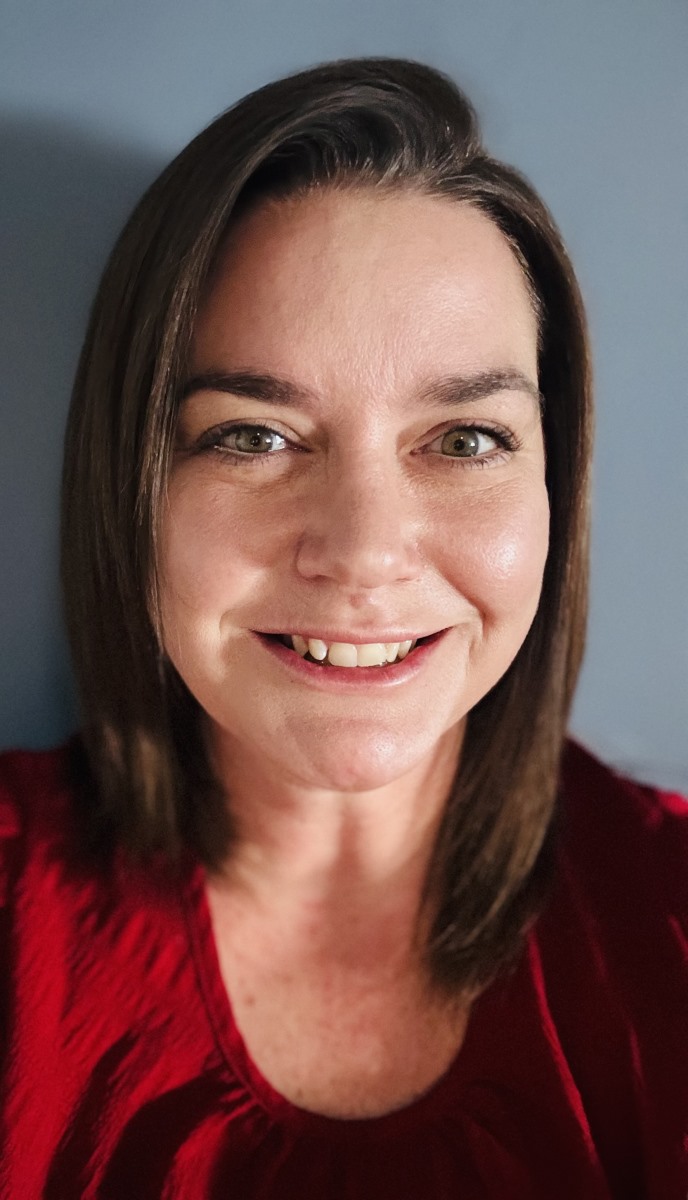
Emily Cubbage
Sr. Practice Manager /Plastic Surgery, Penn Medicine
Nominated by Mary Mastrando, Director of Operations
"Effective template management and well-designed decision trees are foundational to ensuring strong patient access to provider schedules. Within the Department of Surgery at Penn Medicine, patient access is supported by a single access role that collaborates closely with practice managers, clinical managers, providers, and process integrity consultants to ensure efficiency, accuracy, and equitable access for patients. When this position became vacant, Emily Cubbage, one of our Senior Practice Managers, proactively stepped in to support this critical function.
The Department of Surgery consists of eleven specialties and more than two hundred providers, making this an exceptionally complex access environment. Despite the scope and complexity of this responsibility, Emily immediately took initiative and began reviewing provider templates and decision trees across the department. She quickly identified significant inconsistencies in template builds that created barriers for the access center and made it difficult for patients to schedule efficiently.
Emily conducted comprehensive reviews of provider templates and identified mismatches between visit lengths, reason-for-visit selections, and appointment blocks. She met directly with providers to adjust visit lengths and align them appropriately with appointment blocks that had been built incorrectly, ensuring patients could schedule the correct visit type without unnecessary delays or rescheduling. Through this work, Emily significantly improved the ability of the access center to schedule patients accurately and efficiently.
In addition, Emily conducted detailed reviews of provider decision trees, ensuring that reasons for visit were correctly mapped to appropriate providers and appointment blocks. She identified gaps where providers were not included in decision trees when they should have been, directly impacting patient access and routing. Emily systematically corrected these discrepancies, ensuring alignment between provider availability, scheduling rules, and access workflows.
Emily also became a driving force behind the implementation of consult order-to-order workflows for several divisions that previously lacked this structure. This work addressed a major barrier in internal referrals by ensuring consult orders accurately directed patients to the appropriate providers. Her efforts improved referral accuracy, reduced delays, and strengthened continuity of care across surgical specialties.
Through her leadership, Emily played an essential role in creating, editing, and rebuilding efficient provider templates while simultaneously revamping decision trees to support sustainable access improvements. Her work required extensive collaboration with providers, managers, and operational partners, and she consistently demonstrated strong communication skills, attention to detail, and a deep understanding of how access impacts both patients and care teams.
Emily’s willingness to step into a highly specialized and critical access role—while maintaining her responsibilities as a Senior Practice Manager—demonstrates exceptional initiative, innovation, and leadership potential. Her contributions have had a measurable and lasting impact on patient access within the Department of Surgery and reflect her commitment to improving the patient experience through thoughtful, data-driven solutions."

Heather DeYoung
Supervisor - Desk Operations, Mayo Clinic
Nominated by Loyd Speer, Manager
"Heather demonstrated exemplary leadership by implementing a structured, patient-centered workflow that enhances coordination between Nursing and Desk Operations. Through close collaboration with Nursing leadership and the DOS team, Heather ensured reliable coverage for the Pre-Procedure Clinic (PPC) and Nursing Education Clinic (NEC).
By reinforcing standardized processes—centralizing communication and assigning dedicated DOS resources to monitor urgent scheduling needs. Heather created a workflow that minimizes disruptions, clarifies expectations, and provides consistent support for both patients and nursing staff. This approach ensures that the nursing team is fully informed about daily coverage and patient scheduling responsibilities, resulting in improved continuity of care and a better patient experience.
Collaboration:
Heather fostered strong partnerships across Nursing leadership, Desk Operations supervision, and the DOS team through regular touchpoints and proactive communication, ensuring seamless coordination and operational excellence to improve the overall patient experience. "
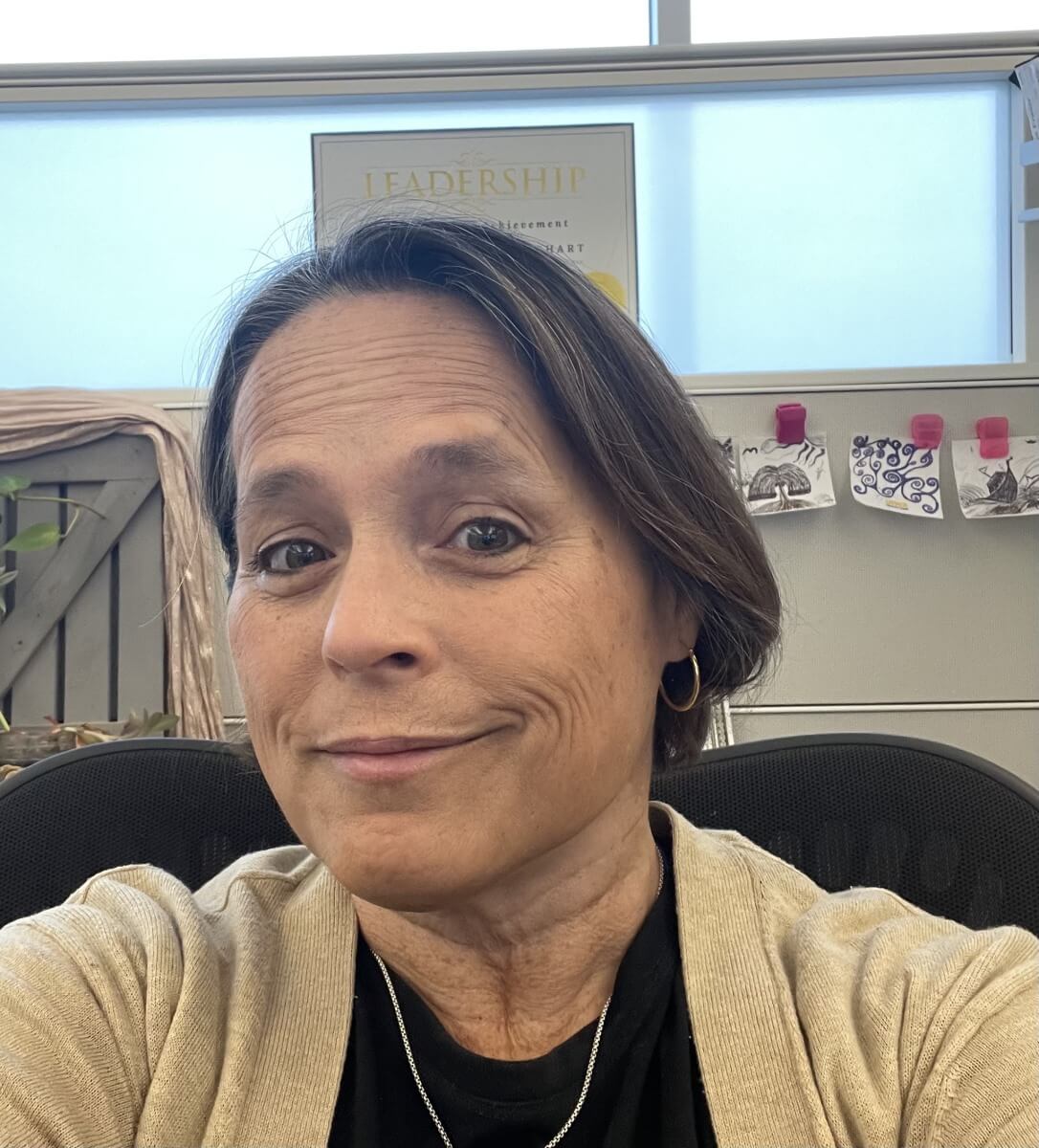
Heather Kudsk-Rinehart
Lead Patient Access Specialist, University of Iowa Health Care
Nominated by Alysha Robinson, Patient Access Manager
"Heather noticed new staff felt anxious and unprepared for patient phone calls during training. To address this, she created training videos featuring mock calls with staff acting as patients and real scheduling scenarios. These videos also demonstrate EMR navigation, guideline review, and team communication, giving new hires hands-on experience before live calls. Available anytime as refreshers, they reduce anxiety, boost confidence, and ensure smoother patient interactions. This leads to higher productivity, efficient scheduling, and an improved experience for both patients and staff."

Jennifer Brady
Director of Patient Access, Penn Medicine
Nominated by Jill Richards, Chief Operating Officer
"I strongly recommend Jennifer Brady for recognition based on her outstanding contributions to improving patient access not only at our flagship hospital - Hospital Univ of Pennsylvania but system wide. She has expertly demonstrated clear success in streamlining and optimizing patient access financial clearance workflows, resulting in more efficient processes, fewer denials and improved patient experiences with less cancellations. Through thoughtful evaluation of existing practices and proactive problem-solving, she consistently implements meaningful workflow improvements that reduce delays and increase reliability across all hospital access points and acts as a true system leader.
With her leadership, the Financial Advocacy team has flourished. Whether addressing operational bottlenecks, navigating complex scheduling challenges, or collaborating across teams to resolve systemic issues, they consistently advocate for solutions that place the patient at the center of decision-making.
Most notably, this individual shows exceptional commitment to Penn Medicine patient access by consistently going above and beyond the expectations of their role to take care of the patient. She takes true personal ownership of ensuring patients receive timely access to care, often anticipating issues before they escalate and following through to resolution. Her dedication, accountability, and patient-focused mindset make a meaningful and lasting impact on both operational performance and the overall patient experience and elevates others across the system to do the same."

Jess Bryson
Quality Analyst, University of Iowa Health Care
Nominated by Kim Swan, Quality & Reporting Manager"Jess is a Quality Analyst who performs quality assurance for the Integrated Call Center (ICC) at UI Health Care. She helped develop and implement the first formal quality assurance documentation auditing process for ICC, creating a structured method for monitoring Telephone Encounter and Nurse Triage calls. She designed audit tools, evaluated Epic documentation accuracy, and incorporated targeted training into staff onboarding. Prior to this work, there was no standardized way to assess compliance with ICC workflows or identify staff needing additional education. Since implementation, perfect audit performance increased from 50% to 54% within one year, demonstrating measurable improvement in workflow adherence and documentation accuracy.
She proactively reduces barriers to patient access by identifying documentation errors that contribute to delays in care and a potential risk to patient safety. Through detailed audits and quality metric reporting, she uncovers workflow knowledge gaps and collaborates with leadership to develop training resources that clarify expectations. By re-educating staff and standardizing documentation practices, she helps prevent delays caused by incomplete or inaccurate telephone encounters and nurse triage documentation.
Jess consistently exceeds her role by taking immediate action when documentation errors are identified. She notifies leadership when service recovery is required, ensuring that patient encounters or referrals that were misrouted due to documentation issues are corrected promptly. Her diligence helps prevent prolonged delays in care and ensures patients are connected to the appropriate clinics without unnecessary barriers.
She serves as a vital bridge between the Patient Access Center (PAC), ICC, clinic counterparts, and external providers. Her emphasis on accurate documentation and proper routing improves communication across departments and strengthens trust between teams. A recent example of how Jess improves collaboration and teamwork: Jess reached out to the ICC leadership team related to a consultation call with an internal and external provider. Jess noticed that one of the areas that is reviewed during documentation audits was updated but should not have been. This item is also a component used to collect data for the different clinical departments. Due to this observation, ICC leadership was able to collaborate with the clinical department and scheduling teams in a timely manner and identify a better workflow that would continue to serve all areas while also maintaining to keep the patient our priority. She also fosters a positive work environment by regularly acknowledging staff for strong performance, reinforcing accountability and encouraging continued excellence.
Jess’s efforts have led to significant, measurable improvements in patient access. Through consistent feedback, positive reinforcement, and refined accountability processes, overall audit scores increased by 7.5%. Of the 21 graded metrics, 67% have shown improvement. These gains reflect enhanced Epic documentation accuracy, improved routing of patient encounters, and ultimately, more timely and reliable care for patients."

Jesse Nelson
Supervisor - Desk Operation, Mayo Clinic - Rochester
Nominated by Lloyd Speer, Manager - Clinic Operations
"Jesse Nelson exemplifies patient-centered access by leading initiatives that simplify scheduling and improve care pathways. In Neurology, Jesse implemented the Acuity Project to prioritize patients based on diagnosis, launched DTR workflows, and introduced tiering for international patients. They supported RAD escalation to expedite imaging and partnered with PASS, NEU, SPINE, and ENDO to optimize multidisciplinary routing in NES. Jesse also led comprehensive work-queue retraining, formalized the monitor role, and coordinated training for Visit Mode automation, ensuring digital readiness. These efforts align with practice operations mission and have produced measurable results, including improved Neurology access metrics and reduced delays for serious and complex patients. Jesse’s collaborative leadership and commitment to patient-first solutions make him an outstanding candidate for the Access Champion award.
Key Contributions:
1. Neuro Access Transformation:
• Acuity Project: Implemented diagnosis-based triage automation to prioritize patients most appropriate for Neurology providers. PASS actively manages serious/complex lists to place these patients on calendars sooner.
• Tiering for International Patients: Partnered with practice and PASS to apply tiering rules addressing historic access struggles for international patients.
• RAD Escalation Pilot: Supported workflows to expedite urgent imaging, accelerating consult scheduling.
2. NES Practice Optimization:
• Collaborated with PASS, NEU, SPINE, and ENDO to redesign multidisciplinary routing, clarifying “who sees the patient and in what order,” reducing time to appointment.
• Initiated DTR workflows in NES to streamline intake and scheduling.
• Facilitated sessions to identify pain points and implement solutions that improve appointment coordination for complex patients.
3. Desk Operations Excellence:
• Led comprehensive work-queue retraining, formalized the work-queue monitor role, and closed gaps around filters and capacity searches, enabling targeted scheduling and improving first contact resolution.
• Adopted enterprise contact attempt standards with PASS/DOS SOP updates, leveraging self-scheduling and defined cadence for outreach.
4. Digital Readiness & Telehealth:
• Coordinated Desk Operations Specialists communications and training for Visit Mode automation across nurse and education visits, ensuring readiness and appropriate change appointment use.
Outcomes
• Neurology access metrics presented in December 2025 show SOF above plan by 3.9% YTD, OPVs positive by 6.9% YTD, and new visits up 1.2% (+136). These gains reflect improvements in intake prioritization and DOS/PASS coordination that Jesse helped implement.
• Enhanced transparency and reduced scheduling delays for serious and complex patients.
• Improved international patient experience through tiering and streamlined workflows.
These initiatives advance OAM’s mission of “right patient, right time, right provider, right preparation, right location.” Jesse demonstrates leadership, humility, and disciplined follow through, consistently bringing forward patient first solutions that remove friction and improve access across specialties. Their ability to convene colleagues and drive operational excellence makes Jesse an ideal candidate for the Access Champion award."
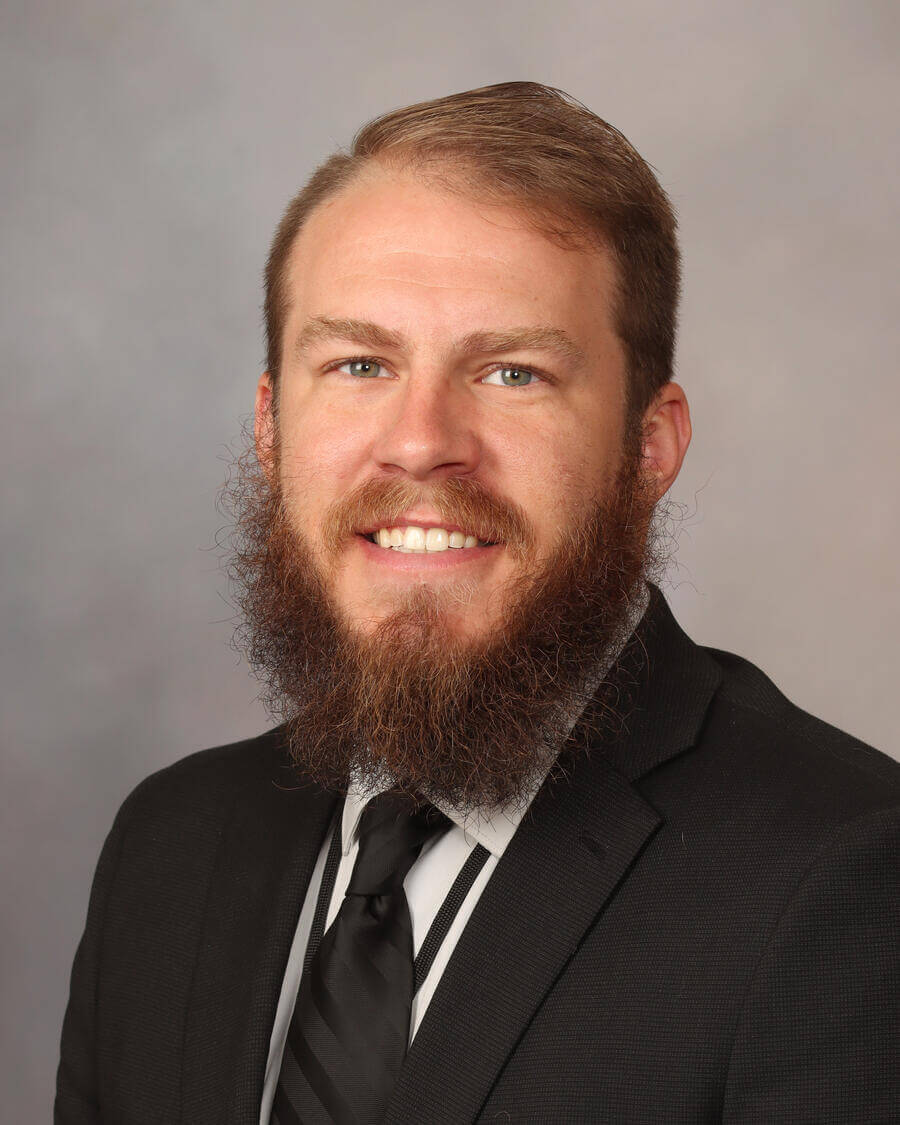
Jon Burgardt
Desk Supervisor, Mayo Clinic
Nominated by Sara Lassila, Manager
"I enthusiastically nominate Jon Burgardt, Desk Operations Supervisor supporting the Urology Outpatient practice, for the Patient Access Collaborative’s Access Champion Award. At Mayo Clinic in Rochester, Jon consistently advances access by improving workflows, reducing barriers, and elevating team performance so patients can schedule and receive timely care. His leadership is practical, data‑aware, and people‑centered, and the results show it.
Workflow Improvements
In 2025, the Urology desk that Jon supervises supported a sustained increase in surgical scheduling, strengthening the pipeline from consult to operating room. Jon also led his team through the Outpatient Procedure Clinic (OPC) procedure‑pass implementation, a complex operational change that standardized pre‑procedure readiness. That standard work reduced late cancellations and meaningfully offloaded nursing tasks, freeing nurses to practice at the top of their licenses. In parallel, Jon sponsored adoption of a Serious and Complex workqueue (WQ) model within Urology operations, making it easier for staff to recognize and prioritize patients whose needs require expedited coordination. Under Jon’s direction, his assistant supervisor helped stand up Serious and Complex WQ and assumed responsibility for Outpatient Procedure Center surgical patients, reflecting Jon’s ability to translate strategy into reliable desk‑level execution.
Barrier Reduction
Jon leaned into a cross‑department pilot to address scheduling for Radiology. He helped design and implement an escalation path and a waitlist appointment‑request process that moved work away from time‑consuming telephone calls and into a clear, trackable workflow. This redesign simplified next steps for patients and referrers, reduced back‑and‑forth call volume, and created a more predictable handoff between teams. It also gave leaders better visibility into bottlenecks so they could intervene faster. The result was less friction and fewer delays for patients navigating multiple appointments across the enterprise.
Exceptional Commitment
Jon shows up for patients and his people. He anticipates staffing risks, communicates proactively, and keeps operations moving through turnover and leave events so access does not stall. He extends care to remote staff as well, taking time to engage and recognize team members who are not physically on campus, which supports morale and retention during peak demand periods. That steadiness is exactly what access work requires.
Collaboration and Teamwork
Jon collaborates effectively with physician, advanced practice provider (APP), nursing, and administrative leaders to keep access aligned with clinical capacity. He participates in structured access forums and leadership touchpoints, including the Urology access review cadence and desk leadership sessions. These venues are where he surfaces issues, tests solutions, and scales what works. By engaging consistently, Jon helps ensure that front‑door scheduling practices match back‑end capacity, visit templates, and surgical projections.
Positive Impact on Patients
The access story in Urology over the last year reflects improvements that leaders like Jon have enabled at the desk. During a recent Urology access review, leaders noted higher completed appointment volumes compared to 2024, with non‑holiday weeks performing above the 2025 average for consults and new patients. Scheduling lag for new patients averaged about 15 days, and typical time to operating room for surgical cases averaged roughly 60 to 70 days. Those department‑level outcomes underscore how coordinated scheduling, reliable pre‑procedure readiness, and disciplined slot management translate into real access for patients. Jon’s desk operations support those gains every day.
What Distinguishes Jon
- He turns ideas into standard work. Pilots become repeatable processes in Jon’s hands. OPC procedure‑pass workflows and Serious and Complex WQ rules were adopted and sustained because Jon coached his team on the why, codified the how, and monitored the outcomes until they stuck.
- He builds capacity through people. Jon develops assistant supervisors and desk operations specialists to own pieces of the access puzzle. That distributed leadership lets the team absorb change without pausing patient scheduling.
- He aligns to institutional strategy. Jon’s approach mirrors Mayo Clinic’s Bold. Forward Strategy by modernizing access, elevating team performance, and partnering across departments so patients can start and continue care without avoidable delay. His participation in cross‑clinic leadership meetings ensures desk operations stay tightly linked to enterprise initiatives.
Outcomes Tied to Award Criteria
- Workflow Improvements: Implemented procedure‑pass in OPC, standardized Serious and Complex prioritization, and supported year‑over‑year gains in scheduled and completed visits by keeping the desk aligned to capacity and slot strategy.
- Barrier Reduction: Co‑designed Radiology scheduling escalation and waitlist request processes that shifted work from phone calls to a clear, trackable workflow, reducing patient and staff time lost to call cycles.
- Exceptional Commitment: Maintained access continuity through staffing transitions, proactively communicating and backfilling to avoid front‑door slowdowns, while sustaining engagement with on‑site and remote staff.
- Collaboration and Teamwork: Regular contributor in access reviews and desk leadership forums; aligns desk practices with provider templates, surgical projections, and interdepartmental scheduling needs.
- Positive Impact on Patients: Contributed to department‑reported improvements such as increased completed appointments, clarified slot management, and predictable time‑to‑procedure metrics that support timely care starts.
Access excellence depends on leaders who can simplify the complex, motivate teams, and deliver reliable results for patients. Jon Burgardt embodies that standard. He streamlines workflows, removes barriers, and partners across Mayo Clinic in Rochester to ensure patients get scheduled, prepared, and seen without avoidable delay. I am proud to nominate Jon as an Access Champion and confident his continued leadership will keep improving patient access in 2026 and beyond."

Justin Schlee
Supervisor - Access Operations, Mayo Clinic
Nominated by Cassie Crary, Manager
"I am pleased to nominate Justin Schlee for Access Champion in recognition of his exceptional contributions to improving patient access and advancing operational excellence.
Justin has demonstrated outstanding success through the development of an innovative metrics tool that tracks and reports individual staff performance. This tool aligns productivity expectations, provides actionable insights, and helps leaders both celebrate staff successes and identify opportunities for growth. Its effectiveness led Justin to proactively share and support implementation of the tool across multiple departments, extending its impact well beyond his immediate role.
Consistently going above and beyond, Justin invested significant time supporting other teams in understanding, adapting, and using his tool successfully. His commitment reflects a genuine dedication to improving access department-wide.
Justin actively works to remove barriers that hinder patient access by identifying inefficiencies across his two departments and partnering with teams to implement optimized, automation-enhanced solutions. His forward-thinking approach has improved workflow efficiency and directly supporting more timely access to care.
A strong collaborator, Justin builds trusted relationships with practice leaders and cross-functional partners. He communicates clearly, presents in a highly professional manner, and fosters shared ownership of access-related initiatives.
Through improved productivity alignment, workflow optimization, and automation, Justin’s contributions have resulted in measurable improvements in patient access. His innovation, collaboration, and dedication exemplify the qualities of an Access Champion, making him highly deserving of this recognition."
Kimberly Pikschus
Technical Development Manager, UT Southwestern Medical Center
Nominated by Jennifer Ward, Director, Centralized Patient Access Services
"Kimberly Pikschus is a highly impactful leader in patient access who consistently demonstrates innovation, initiative, and a strong commitment to advancing access strategies across the organization. In her role as Technical Development Manager, Kim blends extensive patient access operations experience with technical expertise to design and implement solutions that improve scheduling, referrals, and the overall patient experience. Her ability to translate complex challenges into practical, scalable solutions reflects both her expertise and her continued growth as a leader in patient access.
Innovation and Initiative
Kim takes a proactive approach to identifying access challenges and developing innovative solutions that remove barriers to care. She has led numerous major cross-functional initiatives that have directly and positively impacted patient care. Among these efforts, Kim led the redesign and implementation of complex specialty referral workflows, transforming them into streamlined, efficient processes that allow internal referral orders to flow directly into decision trees for immediate scheduling. These improvements reduced delays, minimized errors, decreased call talk time, and significantly enhanced patients’ ability to access care without unnecessary handoffs.
Kim also served as a key leader in the successful deployment of the Talkdesk telephony system, a large-scale initiative with critical implications for patient access. She approached this effort holistically by designing standardized phone trees, building intuitive IVR flows, and validating highly complex routing for more than 150 phone numbers. Her meticulous planning and strong ownership ensured calls were accurately routed, preserving continuity of care and delivering a consistent, high-quality patient experience.
Professional Growth and Learning
Kim actively pursues opportunities to expand her expertise and deepen her impact in patient access. She earned her Epic Cadence Certification and continuously strengthens her technical, operational, and analytical skillset. Kim engages closely with clinical, operational, and technical partners to stay current on best practices and emerging solutions, consistently applying what she learns to improve access workflows and system performance.
Impact
The impact of Kim’s work is both measurable and far-reaching. Her referral workflow redesigns reduced scheduling delays, improved turnaround times, and increased accuracy across complex specialties. Her leadership in the Talkdesk implementation resulted in a highly successful go-live with minimal disruption, ensuring uninterrupted access for patients. Across multiple initiatives, Kim’s contributions have supported improved access metrics, increased efficiency, and a more seamless patient journey from referral to appointment.
Leadership Potential and Influence
Kim demonstrates strong leadership qualities through her ability to influence, collaborate, and inspire trust across teams. She is a valued partner to Clinic Operations, Data Analytics, Telecom, Ambulatory Operations, and Information Resources, bridging operational and technical perspectives to align stakeholders around shared access goals. She communicates clearly, leads complex initiatives with confidence, and supports teams through change with a focus on both performance and people.
Her leadership extends beyond project delivery. Kim invests in training, develops practical resources, and mentors others through complex system and workflow challenges. Her influence continues to grow as she shapes access strategies, drives innovation, and contributes meaningfully to the broader patient access community.
Through her innovation, measurable impact, collaborative leadership, and commitment to continuous growth, Kimberly Pikschus exemplifies the qualities recognized by the Access Emerging Leader Award. Her work has meaningfully advanced patient access today, while her leadership and vision position her to continue shaping the future of patient access."

Laura Nelson
Supervisor - Supervisor - Access Operations, Mayo Clinic
Nominated by Corey Knauss, Manager - Office of Access Management
"I am honored to nominate Laura Nelson for the Patient Access Collaborative Access Champion Award. Laura is an exceptional Access Operations Supervisor within Mayo Clinic’s Department of Surgery Appointment Office whose leadership, initiative, and problem‑solving have meaningfully advanced patient access across numerous surgical specialty areas. Throughout our work together, Laura has demonstrated excellence across every dimension of this award.
1. Workflow Improvements
Laura has led and supported multiple improvements to new‑patient scheduling workflows across complex surgical programs, including Colorectal Surgery (CRS) and Hepatobiliary Surgery (HPB). Her operational expertise is especially evident in the detailed recommendations she provided as part of practice workflow evaluations and SOP refinement discussions.
- She reinforced best practices to avoid duplicate request creation by ensuring schedulers review the Future and Active Tabs prior to starting a new appointment request.
- She supported updates to triage‑denied routing, ensuring schedulers correctly cancel and re‑route requests when specialties change, reducing down‑stream errors and improving accuracy for patients.
- She collaborated on the addition of Digital Front Door (DFD) workqueue filters, a change that streamlined the handling of portal‑initiated requests.
- She worked with practice teams to improve contact‑attempt standardization, reducing variability in how staff reach out to patients and improving consistency across teams.
These improvements directly strengthened workflow reliability and reduced rework. They also aligned scheduling teams with enterprise‑level priorities.
2. Barrier Reduction
Laura consistently identifies and removes process barriers that hinder patients’ access to timely care. In a CRS/HPB workflow review, she worked with practices on two major improvements aimed at reducing access barriers:
- Supporting scheduling for any qualified APP instead of limiting scheduling to only the APP who completed triage, an important change that expands appointment availability and decreases delays.
- Recommending updates to HPB EZ Panel orders, adding prerequisite testing to eliminate back‑and‑forth communications that previously stalled scheduling readiness.
She also remains an active partner in Decision Tree Revitalization, a systemwide effort referenced in the same workflow communication, intended to ensure accurate triage and reduce unnecessary rerouting of patients.
These actions show her strong commitment to addressing underlying causes of scheduling delays rather than treating symptoms, making tangible improvements to patient experience and staff efficiency.
3. Exceptional Commitment
Laura goes above and beyond her role every day. Her dedication is repeatedly demonstrated in her interactions with colleagues.
For example: she was approached to support a multisite Supervisor Playbook Development initiative for Contact Centers. When asked whether she had the bandwidth to take on this enterprise‑level project while also assisting another workflow initiative involving the creation of an AI‑enabled agent, she responded enthusiastically, noting the close alignment between the initiatives and expressing excitement for the opportunity.
This willingness to take on additional responsibility while maintaining high performance in her core role highlights exceptional drive. She embodies a growth mindset, willingly leaning into unfamiliar or developing organizational tools such as AI agent design.
4. Collaboration & Teamwork
Laura is recognized as a deeply collaborative partner whose work strengthens relationships and operational alignment across teams, supervisors, and clinical practices.
Her recurring presence in cross‑departmental meetings demonstrates her commitment to aligning access operations with broader institutional goals. Examples include:
- Scheduling Operations Bi‑Weekly Meetings
- DOS/OAM Weekly Access Huddles
- THS & TCGS Monthly Access Connect
These meetings reflect Laura’s role as a collaborative bridge between scheduling teams and practice leadership.
Beyond meetings, Laura regularly contributes to staff development, captured in the performance appraisals she authors. This demonstrates her investment in coaching, communication improvement, and helping team members build proficiency in new specialties. Her colleagues trust her, rely on her insight, and value her contributions to collective problem‑solving.
5. Positive Impact on Patients
Laura’s work consistently produces measurable improvements in patient access.
Through her workflow standardization efforts, patients experience:
- Faster scheduling, thanks to fewer delays caused by duplicate requests or rerouted triage decisions.
- Greater appointment availability, especially through expanded APP scheduling options.
- More efficient readiness for care, especially due to her role in updating EZ Panel orders and reducing prerequisite‑related delays.
Patients benefit directly from improvements that may not always be visible externally but significantly influence the timeliness, consistency, and clarity of their scheduling experience.
Conclusion
Laura Nelson exemplifies excellence in access leadership. She demonstrates mastery of complex workflows, a proactive approach to identifying and eliminating barriers, and a remarkable level of dedication to both her team and Mayo Clinic’s broader mission. Her collaboration across departments, steady leadership presence, enthusiasm in supporting enterprise initiatives, and measurable impact on patient access make her an extraordinary candidate for the Access Champion Award.
Her contributions are sustained, well‑documented, and felt broadly, from schedulers and practice leaders to patients seeking timely surgical care. I wholeheartedly and confidently endorse her nomination for this distinguished recognition."
Mary Jordan
Coordinator - Clinic Operations, Mayo Clinic - Rochester
Nominated by Lloyd Speer, Manager - Clinic Operations
"Mary consistently places patients at the heart of every operational decision. She understands that the desk is the first point of contact and a critical gateway to care. Her leadership ensures that every interaction—whether in person or through digital tools—removes barriers, reduces stress, and creates a seamless experience for patients.
Key Contributions:
1. Service Excellence Training Focused on Patient Experience:
Mary led the multi-session Service Excellence Phase 2 program for desk teams, emphasizing behaviors that matter most to patients: warm greetings, clear wayfinding, and rapid escalation when needed. By curating practical toolkits and observation logs, she empowered supervisors to coach staff on delivering consistent, compassionate service.
2. Digital Check-In Readiness for Convenience and Confidence:
Recognizing that technology can ease patient anxiety, Mary coordinated digital check-in implementation in high-traffic areas like the Gonda lobby and Executive Health. She ensured signage and kiosks were intuitive, so patients could self-check-in quickly and confidently shortening wait times and improving flow.
3. Collaboration Across Leadership Forums:
Mary actively participates in Desk Leadership and EOAM advisory groups, advocating for patient-first solutions. Her ability to connect training, policy, and operations ensures that every improvement directly benefits the patient journey.
Impact on Patients:
Reduced Friction at Arrival: Patients move smoothly from lobby to care team thanks to clear signage and digital readiness.
Consistent First Impressions: Desk staff deliver reliable, welcoming experiences that set the tone for care.
Dependable Scheduling: Transparent staffing practices prevent gaps that could compromise access.
Why Mary Deserves This Recognition:
Mary’s work reflects the core principle of access: right patient, right time, right provider, right preparation, right location. She translates strategy into tangible improvements that make patients feel valued and supported. Her leadership ensures that operational excellence is never just about efficiency—it’s about creating a positive, stress-free experience for every individual seeking care."

Mendela Paulsen
Access Operations Supervisor, Mayo Clinic - Rochester
Nominated by Derrick DeBuhr - Manager - Office of Access Management
"Mendela Paulsen is a highly effective access leader whose work has strengthened workflow consistency, triage accuracy, and timely patient routing across Primary Care. She has developed and refined several essential decision trees—such as measles symptom workflows, Primary Care On-Demand routing, and nurse triage downtime processes—that provide schedulers with clear, reliable guidance. These tools reduce unnecessary transfers, increase first touch resolution, and ensure patients receive timely, appropriate care.
Mendela also plays a critical role during operational disruptions. Her clear downtime workflows and cross department coordination keep teams aligned and patients supported even when systems are unstable.
She excels at identifying access barriers early—such as unclear provider instructions or growing call volume—and partners across departments to implement practical solutions. Her advocacy ensures workflows remain both safe and executable for frontline teams.
Highly collaborative, she contributes to systemwide efforts including FAST PASS development, ECHO workflow refinement, and waitlist standardization. Her operational insight, proactive problem solving, and patient centered approach directly improve the reliability of care pathways.
Mendela’s work consistently enhances patient access, scheduler confidence, and operational clarity, making her an outstanding Access Champion."

Michael Tudor
Director, Access Operations, Children's Healthcare of Atlanta
Nominated by Andrea Mejia - Vice President, Access Srv
"I am pleased to nominate Michael Tudor for recognition based on his outstanding leadership and performance over the past three years. During this period, Michael has consistently delivered exceptional results in contact center operations and workforce management. Under his direction, the contact center has maintained service levels exceeding 80% since April 2023 while supporting over 2 million phone calls, demonstrating a strong commitment to operational excellence and customer satisfaction. Equally impressive is his ability to foster a positive and engaging work environment, reflected in employee retention rates consistently in the 90th percentile—a notable achievement in a highly competitive and demanding industry and 2025 Employee Engagement Scores of 93 which was 15% higher than the organizational overall score!
Michael is a recognized master of workforce management technology, leveraging advanced forecasting, scheduling, and real-time adherence tools to optimize staffing, improve efficiency, and proactively address performance challenges. His data-driven approach ensures the right resources are in place at the right time, while balancing employee well-being with business demands. Michael’s ability to align people, processes, and technology has resulted in sustained success, high team morale, and measurable business impact."
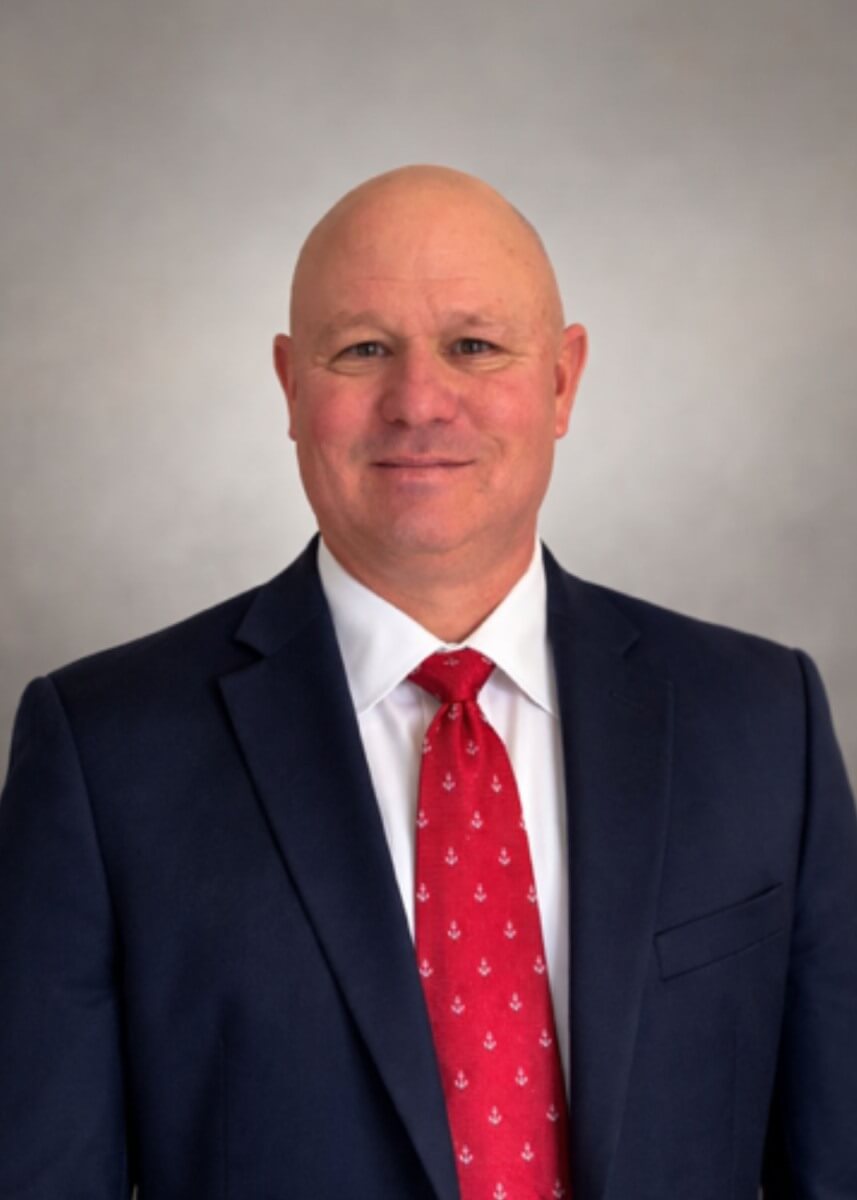
Michael Thurman
Manager Capacity Management, VCU Health
Nominated by Brittany Poore - Associate Vice President Ambulatory Access and Innovation
"Mike Thurman is widely recognized across our organization as a trusted expert in patient access, provider templates, and scheduling. His depth of knowledge, combined with his ability to think creatively and solve complex problems, makes him an invaluable resource for colleagues at every level.
Mike brings longstanding institutional knowledge to every initiative, understanding not only the workflows but also the reasoning behind key decisions. This perspective has been instrumental in advancing our access work, most recently through efforts to standardize templates and visit types and secure access to templates. These initiatives have improved consistency and efficiency across the enterprise, and Mike has played a critical role in their success.
Mike’s impact is measurable. He helped lead teams to reduce over 1,000 hours of held time on provider templates, achieved a 50% reduction in visit types, and worked with teams to standardize hundreds of provider templates to align with organizational expectations. These accomplishments have significantly improved scheduling efficiency and patient access across the system.
What sets Mike apart is his willingness to partner with anyone who needs support. He takes the time to walk through information and initiatives to ensure clarity and understanding, always approaching his work with thoroughness and precision. Whenever questions arise, Mike is ready to respond and provide guidance, reinforcing his reputation as a reliable and collaborative leader.
Mike’s calm and steady demeanor during high-stress situations or times of significant change helps create stability for his team and colleagues. As the leader of the Capacity Management Specialists team, he models the qualities he expects from others—leadership, collaboration, and respect—while guiding his team to deliver excellence.
Mike’s deep expertise, institutional knowledge, and unwavering commitment to improving patient access make him an outstanding candidate for the Access Champion Award. His contributions have had a lasting impact on our organization and the patients we serve."

Minh Tran
Product Owner II, Mount Sinai Health System
Nominated by Sadiqa Horne - Associate Vice President
"I would like to nominate Minh Tran for the Access Champion Award in recognition of his exceptional collaboration, strong partnerships, and unwavering dedication. He is a Product Owner in Mount Sinai Health System’s IT department which is one of the access center’s key partners. Minh also is a member of the Access Centers Governance Committee where he regularly reports on the progress of our self-service digital communications channels and the roadmap for future innovations to improve patient access. He supports innovation by ensuring interoperability and seamless integration of proposed digital solutions with existing platforms to enhance patient access and streamline operational efficiency while mitigating risks, reducing barriers to care, and improving data accessibility for both patients and providers. For example, Minh spearheaded the transition of the IVR system to Agentic AI which streamlined access by eliminating the phone tree, instead enabling patients to speak their intent for calling and then the auto-agent assists by confirming, canceling, or rescheduling appointments (with additional use cases to come). This innovation reduces barriers to access by making it faster and easier to get patients what they need and it also specifically reduces the patient wait time in queue since it is self-service. The Agentic AI Virtual Agent delivered strong early performance post-launch, with overall deflection improving from 56% to 80% across the appointment-related use cases.
He consistently demonstrates what it means to be a true team player. He builds positive, trusted partnerships across teams and is always willing to step in to support others. His collaborative approach makes working with him seamless, and colleagues know they can rely on him not just for his technical expertise, but also for his commitment to shared success.
Minh’s dedication truly stands out. He goes above and beyond to ensure deliverables are met and that teams feel supported. A great example of this was when she was on a personal vacation—on a cruise—yet he still made himself available to join and present during this year’s Access Talks which is an internal forum where we celebrate key accomplishments and explore forward-thinking approaches to ambulatory access across our health system. This level of ownership and reliability speaks volumes about his professionalism and passion for his work.
Minh’s availability, partnership mindset, and willingness to go the extra mile make him an invaluable member of the IT organization. He exemplifies the qualities this award is meant to recognize, and I strongly believe he is deserving of this nomination."
Nick Gudmundson
Senior Manager - EOAM, Mayo Clinic
Nominated by Elissa Nelson - Enterprise Office of Access Management Division Chair
"Nick Gudmundson founded and led an enterprise team responsible for complex physician calendar management, aligning operational execution with organizational goals. Oversaw Epic physician template initiatives as the primary liaison between technical and operational teams, led enterprise change management for large-scale scheduling projects, and drove operational efficiency through best-practice standardization. Managed and developed a team of 11 analysts supporting 30,000+ physician calendars, while facilitating ongoing communication and education through enterprise forums. The enterprise forums showcased workflow improvements and education for upgrades and project updates.
More recently, Nick transitioned to support Systems Transformation within Mayo Clinic's Enterprise Office of Access Management. In this new role, he was able to lead the team through transition for the close of our 5 year self-scheduling project and optimize an operational future state. This required workflow optimization and close collaboration with colleagues within our division and scheduling operations leaders.
Nick's workflow improvements, barrier reduction, exceptional commitment, collaboration and teamwork have had an overall positive impact on our patients. Nick is a true Access Champion for Mayo Clinic."

Nicole Smith
Supervisor - Access Operations, Mayo Clinic
Nominated by Missy Bowman - Manager
"Nicole consistently demonstrates what it means to put patient access first. She approaches every scheduling challenge with determination, creativity, and a deep understanding of how access impacts both our patients and our care teams. Nicole is always looking for ways to create a successful scheduling outcome, whether that means adjusting templates, refining workflows, or partnering closely with operational leaders to ensure the system matches real‑time demand.
Her commitment goes far beyond routine problem solving. Nicole proactively identifies access barriers and works tirelessly to remove them, ensuring our patients can get the care they need when they need it. She brings a thoughtful, solutions‑focused approach to every situation, and her ability to balance patient needs with staff workflows sets a powerful example for our team.
Nicole’s work has made a measurable difference across our ambulatory enterprise. She is a steady, positive force who uplifts her colleagues, strengthens our processes, and keeps patient access at the center of everything she does. Her dedication, insight, and genuine care for both patients and coworkers make her an ideal candidate for the Access Champion recognition."
Renea Schouweiler
Access Operations Supervisor, Mayo Clinic - Rochester
Nominated by Derrick DeBuhr - Manager - Office of Access Management
"Renea Schouweiler is an outstanding leader whose work has directly improved scheduling accuracy, workflow clarity, and timely access for Primary Care patients. She played a pivotal role in redesigning the ECHO scheduling and waitlist process, ensuring backlogs were cleared, patient preferences captured consistently, and communication standardized between DOS, PASS, and Cardiology teams. This work significantly improved first touch resolution and reduced missed or delayed appointments.
She also leads major improvements to scheduling SOPs and workqueue processes, removing outdated steps and clarifying responsibilities so schedulers can operate more efficiently. Her proactive approach reduces confusion and ensures timely patient outreach.
A natural barrier remover, she collaborates across Nursing, Epic, and clinical teams to resolve systemwide obstacles, including cross site scheduling restrictions and reschedule request inconsistencies. Her work with Nursing to unify RN/LPN scheduling permissions directly expanded appointment availability for patients.
Renea is a trusted collaborator whose communication is clear, steady, and patient focused. She engages partners early, solves issues before they escalate, and consistently elevates both staff performance and the patient experience. Her leadership and commitment make her a deserving Access Champion."

Tammy Nigro
Supervisor Contact Center Access, Hackensack Meridian Health
Nominated by Dana Kelly - Director Consumer/Patient Access
"It is with great pleasure that I nominate Tammy Nigro, Supervisor of the Contact Center Access at Hackensack Meridian Health (HMH), for the prestigious Access Champion award. In a remarkably short period, and during the initial phases of HMH's forward-facing access initiative, Tammy has proven herself to be an indispensable leader and a true agent of transformation.
Tammy was instrumental in the development and management of the newly formed Capacity Management Team. She single-handedly built the team from the ground up, personally training each member on the complexities of template management and skillfully guiding them through the team's rapid growth. Her exceptional ability to foster collaborative relationships with both clinical and administrative stakeholders has been a key driver in the success of this initiative. In the last year alone, Tammy's leadership has resulted in the successful migration of over 330 physician templates to the Capacity Management Team's oversight. This significant achievement has directly increased scheduling utilization across a diverse range of specialties, including primary care, pulmonary, dermatology, allergy, and various pediatric subspecialties.
Tammy’s previous tenure at HMH, serving as both an EPIC Trainer and a Practice Manager for our physician practices, provides her with a deep foundation of knowledge and enhances her professional credibility. She demonstrates a strong aptitude for conflict resolution, skillfully de-escalating perceived issues and addressing misconceptions among stakeholders. Tammy builds rapport by relating directly to her audience, drawing upon her extensive expertise and practical experience to offer valuable solutions. This hands-on and pragmatic approach uniquely positions her to be a constructive and positive influence.
Furthermore, Tammy plays a crucial role in the seamless onboarding of new specialties into our Patient Access Center. She expertly leads design sessions to gather critical scheduling information and develops comprehensive decision trees to ensure operational excellence. Tammy collaborates directly with office subject matter experts and clinicians, actively listening to their concerns and ensuring a smooth transition. Her unwavering positivity and optimistic approach during these meetings are instrumental in alleviating stakeholder anxieties associated with this significant change.
The impact of Tammy's efforts on the Patient Access Center has been profound. Her work has led to a measurable improvement in schedule utilization, which has, in turn, helped to reduce patient wait times and establish standardized scheduling practices across our network. She is a passionate advocate for centralized scheduling and a firm believer in its power to open access to our community.
Tammy Nigro embodies the very spirit of an Access Champion through her dedication, innovative approach, and exceptional leadership. She is unequivocally deserving of this distinguished award."
Tari Errthum
Principle Analyst, Mayo Clinic
Nominated by Nickolas Gudmundson - Senior Manager
"I am pleased to nominate Tari Errthum for the Access Champion Award in recognition of her exceptional leadership and impact in improving patient access, particularly through her work with the Patient Portal. Tari consistently demonstrates a patient‑first mindset, strong operational insight, and a deep commitment to removing barriers that prevent patients from engaging with their care. Her work has meaningfully improved how patients' access, understand, and use digital access tools across the enterprise.
Workflow Improvements
Tari has led and influenced significant workflow improvements related to Patient Portal access and functionality. She brings clarity and structure to complex access processes, ensuring that portal workflows are intuitive for patients and practical for staff.
A key strength of Tari’s work is her ability to identify where Patient Portal workflows break down, whether due to unclear configuration, inconsistent use, or misalignment with clinical and operational realities. She actively partners with technical and operational teams to refine portal‑based scheduling, messaging, and access pathways so they better support patients attempting to navigate care digitally. Her leadership helps ensure that Patient Portal workflows support timely access rather than inadvertently creating friction or confusion.
Barrier Reduction
Tari is highly effective at identifying and reducing barriers that limit patients’ ability to access care through the Patient Portal. She consistently advocates for improvements that remove unnecessary complexity and prevent patients from being blocked by system design rather than clinical intent.
She has been especially impactful in recognizing how certain portal configurations, messaging, or access rules can unintentionally exclude patients or create dead ends. Tari works proactively to address these issues, ensuring that patients have clear options and next steps when using the Patient Portal. Her work reduces avoidable handoffs, rework, and delays, helping patients move more efficiently from intent to appointment or care interaction.
Exceptional Commitment
Tari routinely goes above and beyond her role to ensure Patient Portal access issues are addressed thoughtfully and thoroughly. She demonstrates a strong sense of accountability for patient experience outcomes, often stepping in to resolve issues, clarify expectations, or support teams navigating complex access challenges.
Her commitment is evident in her willingness to dig into details, follow issues through to resolution, and ensure that fixes are sustainable. Tari does not treat Patient Portal improvements as one‑time changes; she continuously monitors how decisions affect patients and access staff over time, reinforcing long‑term success.
Collaboration and Teamwork
Tari is a trusted and highly effective collaborator across clinical, operational, and technical teams. She excels at bringing diverse stakeholders together around shared Patient Portal access goals, translating between technical concepts and operational realities.
Her collaborative approach fosters alignment and trust, particularly when navigating competing priorities or complex access requirements. Tari’s ability to listen, synthesize input, and guide teams toward patient‑centered solutions strengthens partnerships and accelerates progress across access‑related initiatives.
Positive Impact on Patients
Through her leadership in Patient Portal improvements, Tari has made a meaningful impact on patients’ ability to access care digitally. Her work supports clearer pathways, fewer access obstacles, and more consistent experiences for patients attempting to schedule appointments or engage with care through the portal.
By ensuring that Patient Portal tools are designed and implemented with the patient experience in mind, Tari helps patients receive timely access to care and reduces frustration that can delay or discourage engagement. Her contributions directly support improved access, continuity, and patient confidence in digital care pathways.
Conclusion
Tari Errthum exemplifies what it means to be an Access Champion. Her leadership in Patient Portal improvements, dedication to removing access barriers, exceptional commitment, collaborative approach, and patient‑centered impact make her highly deserving of this recognition. I strongly recommend Tari for the Access Champion Award."

Tricia Comer
Associate Director, Financial Clearance & Transcription, OSU Physicians
Nominated by Kristin Geiger, CAACM - Associate Director, Patient Contact Center
"It is my honor to nominate Tricia Comer for recognition as an Access Champion. As Associate Director for Financial Clearance at OSU Physicians, Tricia leads in a structure that is uncommon across many PAC institutions. Through her leadership in PAC’s Financial Clearance cohort, she has helped define this space nationally, giving organizations with similar models a place to compare strategies and evolve best practices. Her contributions have meaningfully expanded PAC’s influence into areas often associated with Revenue Cycle.
Within Ohio State University Wexner Medical Center (OSUWMC), Tricia is a transformative leader whose work has significantly strengthened ambulatory patient access. She combines strategic insight with operational discipline, consistently focusing on what patients need as they move into care. Her ability to improve workflows, remove barriers, and build strong cross department partnerships has reshaped how quickly and reliably patients enter our system.
Tricia has redesigned essential access processes with a focus on accuracy, efficiency, and consistency. She has led multiple automation initiatives that reduced manual work and cycle times. The Care Everywhere referral bot saves about twenty labor hours each month and improves routing speed and quality. In the Spine service line, the Rhyme CPT automation project shifted nearly ninety percent of manual tasks into an automated workflow, improving scheduling readiness and increasing capacity without adding staff.
She brought similar structure to the Transcription team after its transition to her team, but what made this work especially impactful was her vision. Tricia understood that Transcription, a critical but historically under supported function, influences the entire front door experience for patients. She recognized that upstream data accuracy affects every downstream access process, from referral completion to scheduling readiness. With that in mind, she realigned the team under Financial Clearance, establishing spans and layers, clear productivity expectations, and sustainable workflows. This structure strengthened documentation quality, reduced avoidable delays, and created a reliable connection between transcription work and the access processes that follow.
Tricia also developed centralized inbox systems, standardized referral and authorization pathways, and consistent payer resource updates that reduce rework. Her Lean Six Sigma Green Belt project targeted a 10% reduction in claim denials, representing more than $134,000 in additional annual paid claims. She regularly benchmarks with peer institutions to identify scalable strategies and introduce proven best practices into OSUWMC operations.
Her strength in barrier removal has been especially evident during major payer disruptions. She quickly aligned cross functional teams, adjusted workflows, and created interim options that protected appointment availability. Her expansion of Care Everywhere and CareLink addressed long standing issues with incomplete documentation and manual routing, contributing to a 150% year over year increase in CERM referrals and reducing reliance on fax-based processes.
Tricia also helped develop OSUWMC’s first Out of Network policy framework, improving decision consistency and reducing avoidable cancellations tied to unclear coverage scenarios. Her attention to accurate HAR creation, No Surprises Act compliance, and preventable denial reduction further supports uninterrupted access to care.
Her commitment extends well beyond her formal responsibilities. During high volume periods or staffing shortages, she steps directly into workflows to keep referrals and authorizations moving—reinforcing that access is a shared responsibility. She invests heavily in leadership development through mentorship, coaching, Lean Six Sigma support, and programs such as Clinic Manager in Training. Her emphasis on transparency and data driven decision making creates a stable, well-informed environment where staff feel supported.
These efforts are reflected in her team’s outstanding engagement results: Financial Clearance achieved 95.6% favorability with a 90% response rate, with particularly high scores for respect and actionable feedback.
Collaboration is another of Tricia’s defining strengths. She has brought Financial Clearance into bimonthly Access meetings, improving coordination across scheduling, capacity management, clinics, and revenue cycle partners. Her partnership with Billing strengthened the alignment between front end accuracy and downstream outcomes. Work with IT, Outreach, and clinical teams expanded the use of external referral tools, improving data quality and reducing manual effort. In redesign initiatives such as the OnBase Referral Intake project, she unites frontline staff and leaders to map processes, identify root causes, and build workflows that function reliably in real practice.
Every improvement Tricia drives ultimately benefits patients. Referral and authorization turnaround times are faster, documentation is more complete, and preventable delays are reduced. Her restructuring of Transcription enhanced timeliness and accuracy, supporting smoother scheduling. Her work on billing transparency reduces confusion and removes financial barriers that delay care. Patients now experience more predictable processes, clearer communication, and fewer disruptions.
Beyond operational outcomes, Tricia cultivates a culture where staff feel valued, capable, and empowered. That confidence translates into more compassionate and consistent service for patients.
Through workflow redesign, barrier removal, cross organizational collaboration, and exceptional dedication to staff and patients, Tricia Comer has advanced patient access in profound and lasting ways. She is a forward-thinking leader whose impact extends across OSU and beyond, and she is truly deserving of recognition as an Access Champion by the Patient Access Collaborative."

Trisha Stanford
Lead Patient Access Specialist, University of Iowa Health Care
Nominated by Alysha Robinson - Patient Access Manager
"Trisha identified long wait times when scheduling primary care patients for specialty services and proposed an innovative solution: allowing primary care schedulers to book the most common specialty appointments directly. She piloted this with echocardiograms (Heart & Vascular), colonoscopies (Digestive Health), and OB ultrasounds (OBGYN), working with a small team to implement the change. The trial showed an estimated annual time savings of 24.6 hours with these 3 visit types alone, reducing phone wait times and improving patient experience. This initiative streamlines scheduling, increases staff efficiency, and creates capacity for more patients. Based on its success, Trisha is leading efforts to expand this model across additional specialties, advancing timely, patient-centered care."